Why Residential Mold Remediation Matters for Your Home’s Health
Mold at Home Is More Than an Eyesore
I first understood the scale of a mold problem when I walked into a finished basement in Cambridge that smelled sweet and musty at the same time. The homeowners had noticed a faint odor a few months earlier, but they had written it off as damp concrete. By the time I arrived, the carpet was soft underfoot and the wall behind the bookshelf was covered in a black pattern that looked like spilled coffee. That visual is what finally got their attention, but the underlying issue went far deeper than the stains.
Mold in a home can start from something as small as a slow pipe leak or a roof drip that nobody sees. Over weeks and months, spores settle into porous materials like drywall, wood, and insulation. Once mold takes hold, it does not stay put. It spreads through the air and can affect the whole indoor environment. That is why residential mold remediation is not just about cleaning what you see. It is about understanding the full scope of the problem and fixing the conditions that allowed mold to grow in the first place.
Different Molds, Different Risks
Not all mold behaves the same way. During inspections, we often find Cladosporium on damp wood and fabric. It is common outdoors and indoors, and while it can trigger allergies, it does not usually produce the potent toxins that other species do. Aspergillus is another frequent find. Some strains can cause respiratory infections in people with compromised immune systems. Then there is Stachybotrys, the black mold that gets the most attention. It thrives on materials with high cellulose content, like paper-faced drywall, and it requires sustained moisture. When I see Stachybotrys inside a home, I know the moisture problem has been going on for a while.
Understanding which mold is present helps shape the remediation protocol. For example, a certified mold inspector will often start with a visual check and moisture readings, then move to air sampling to measure the spore concentration indoors compared with outside. If the indoor count is much higher, that confirms the mold is actively growing somewhere inside the building. That data guides the removal strategy.
Where Mold Hides in a Typical Home
Many people assume mold only shows up in basements. That is not true. Attic mold is surprisingly common, especially in houses with poor ventilation or bathroom fans that vent into the attic instead of outside. Warm moist air rises, hits the cold roof deck, and condenses. Over a single winter, that condensation can feed a patch of mold the size of a dinner plate. The attic is often forgotten until someone goes up to store holiday decorations and discovers a gray fuzz on the plywood.
Crawl spaces are another high-risk area. They are dark, damp, and rarely visited. A crawl space with a dirt floor can release moisture into the air all year long. If the house was built with wood joists sitting directly on the dirt or with fiberglass insulation hanging down, mold can colonize the entire underside of the floor. I have opened crawl space hatches and felt the air hit my face like a wet blanket. That is the kind of condition that needs more than a spray can of bleach.
The Process of Professional Remediation
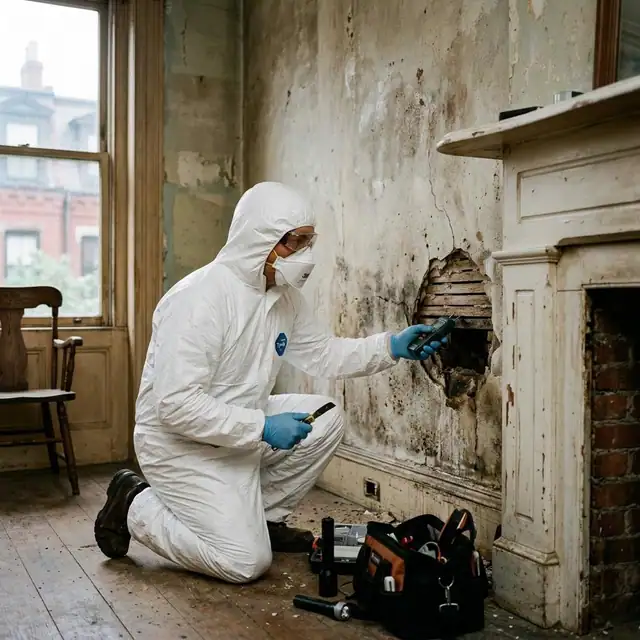
Residential mold remediation follows a clear sequence once the assessment is complete. The first step is containment. Workers seal off the affected area with plastic sheeting and set up negative air pressure so spores do not drift into the rest of the house. Everyone inside the containment zone wears personal protective equipment including respirators, gloves, and Tyvek suits. This is not a job for goggles and a dust mask from the hardware store.
Next comes removal. The method depends on the material and the extent of growth. For non-porous surfaces, a biocide or antimicrobial coating can kill mold and prevent regrowth. For porous materials like drywall or carpet, removal is usually the only reliable option. You cannot wash mold out of drywall. The paper fibers hold the spores deep inside, and even after drying, the mold can rehydrate and return. That is why a thorough job often involves cutting out sections of wall and replacing them.
For heavy growth on wood framing, contractors may use dry ice blasting or soda blasting. These are abrasive cleaning methods that strip mold from the surface without damaging the wood underneath. Dry ice blasting uses pellets of frozen carbon dioxide that sublimate on contact, leaving no secondary waste. Soda blasting uses baking soda particles, which are water-soluble and can be rinsed away. Both methods are effective for treating large areas of exposed framing in basements and crawl spaces.
Why Encapsulation and Coatings Matter
After removing visible mold, the next concern is leftover microscopic spores. Even a thorough cleaning will not kill every single spore. That is where encapsulation comes in. An encapsulant is a special paint or coating that bonds with the remaining spores and seals them inside a non-viable film. It is not the same as regular paint. Encapsulation products are tested to lock in mold residue and resist future growth under normal humidity. They also often contain an antimicrobial coating that discourages new colonies from forming.
Encapsulation is not a shortcut. It only works after the bulk of the mold has been removed and the surface has been cleaned. If you paint over active mold, the problem will push through the paint within months. But when used correctly, encapsulation is a smart finishing step that adds a layer of long-term protection.
Air Quality and the HVAC Connection
Mold spores do not just land on surfaces. They circulate through the air. That is why air sampling is so important during the assessment phase. A good sample can tell you the concentration of spores in the living space and help identify species that are not visible yet. If the HVAC system is involved, the problem can spread even faster. Mold can grow inside ductwork, on cooling coils, and in drain pans. Once the blower runs, it distributes spores throughout every room. Cleaning an HVAC system requires specialized equipment, including HEPA filter vacuums and antimicrobial treatments designed for duct surfaces. The EPA provides guidelines for mold remediation in buildings, and they specifically address HVAC systems because of their role in spreading contamination.
Many homeowners I have worked with in Boston and Cambridge did not realize that their forced-air heating system was making their allergies worse. A simple inspection of the return air plenum often reveals mold growth that has been cycling through the house for months. Addressing the mold in the HVAC system is a critical part of any comprehensive residential mold remediation plan.
Prevention After the Cleanup
Getting rid of mold is one thing. Keeping it from coming back is the real measure of success. The root cause is almost always moisture. That could be a leaking pipe, a high water table under the basement slab, poor gutter drainage, or condensation from temperature differences. After remediation, the contractor should work with the homeowner to identify and fix the moisture source. Sometimes that means installing a dehumidifier in the crawl space. Sometimes it means extending downspouts away from the foundation. In older homes, it might mean repointing the foundation or adding a sump pump.
In the Boston area, the combination of cold winters, humid summers, and old construction means that mold is a recurring challenge for many homeowners. A one-time cleanup is rarely a permanent solution unless the underlying moisture issue is addressed. That is why Mold Removal Boston and other local professionals emphasize the importance of follow-up inspections and monitoring. A simple moisture meter can alert you to rising dampness before it becomes a full-blown mold issue again.
What to Look for in a Contractor
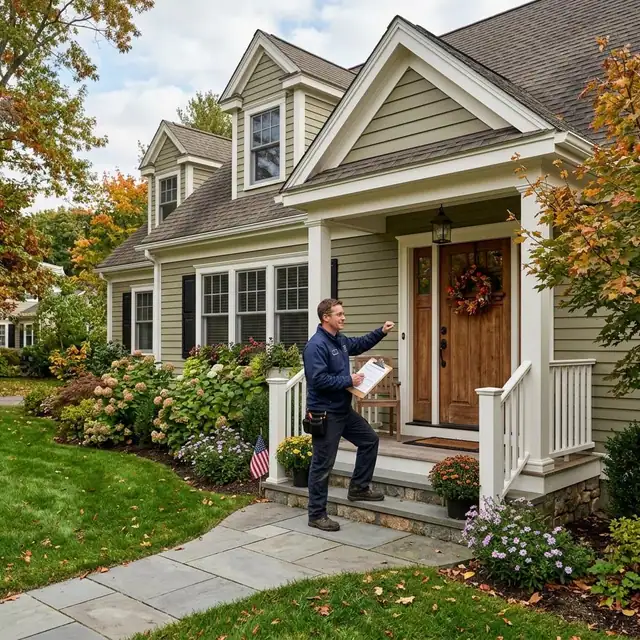
A credible contractor will start with a proper inspection and provide a written remediation protocol before any work begins. They should use personal protective equipment, set up containment, and dispose of moldy materials in sealed bags. They should also be able to explain the difference between cleaning and removal, and when each is appropriate. Avoid anyone who promises to "kill mold with bleach" without testing or containment. Bleach is not a registered fungicide, and it can actually feed mold on porous surfaces by adding moisture. Professional remediation relies on EPA-registered biocides and HEPA-filtered equipment to capture airborne spores.
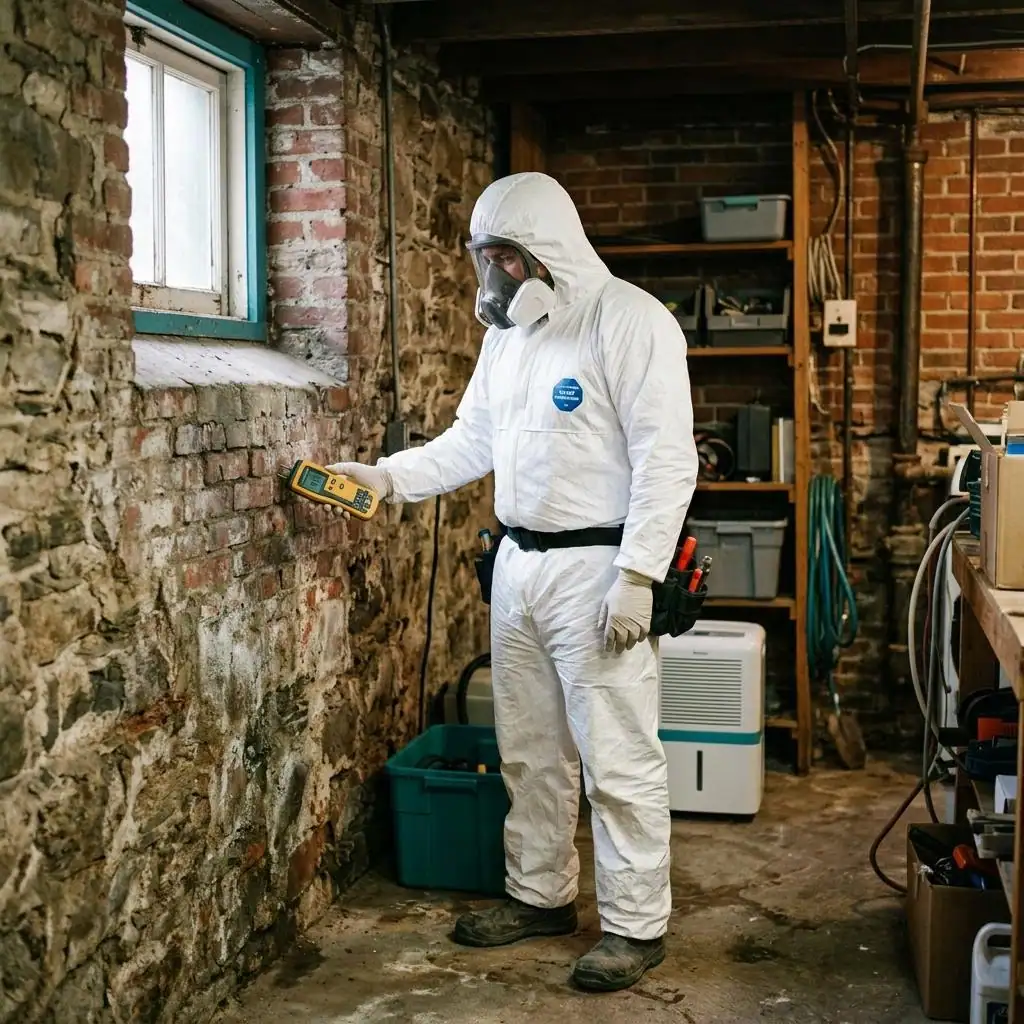
The cost of residential mold remediation varies widely depending on the extent of the growth, the materials involved, and the accessibility of the affected area. A small patch of surface mold on a bathroom ceiling might be handled in a few hours. A full basement remediation with contaminated insulation and framing can take several days and require dry ice blasting or replacement of building materials. The investment is worth it for the health of the occupants and the integrity of the home.
Mold does not go away on its own. It grows, spreads, and can cause structural damage over time. Taking action early, with a thorough inspection and a professional remediation plan, is the best way to protect your home and the people who live in it. Whether it is attic mold from a roof leak or a crawl space problem that has been ignored for years, a proper response starts with understanding the scope and ends with a dry, clean, and healthy indoor environment.
