Disposable and Rechargeable Vape Devices
A vape device is a battery-powered apparatus that heats a liquid to produce an aerosol for inhalation. The two main categories of these devices are disposables, which are intended for single use, and rechargeables, which can be refilled and used repeatedly. The choice between these types affects factors such as cost, convenience, environmental impact, and the variety of available e-liquid flavours and nicotine strengths.
Disposable vape devices are sealed units that come pre-filled with a specific amount of e-liquid and a charged battery. They require no maintenance or refilling. When the e-liquid is exhausted or the battery runs out, the entire device is discarded. These devices are often draw-activated, meaning the user simply inhales to produce vapour, with no buttons to press. Their design prioritises simplicity and portability, making them a common entry point for new users. The e-liquid capacity in a disposable is typically measured in millilitres, and the puff count, or the number of inhalations a device can deliver, is a rough estimate based on the battery capacity and the heating coil's resistance. Nicotine strength in disposables is usually fixed, often at higher levels such as 20 mg/ml or 50 mg/ml, depending on local regulations.
Rechargeable vape devices, also called open systems, consist of a battery that can be recharged via USB charging and a separate tank or cartridge that the user fills with e-liquid. These devices allow the user to replace the coil or pod, and to choose from a wide array of e-liquids with varying nicotine strengths and flavour profiles. The battery capacity of a rechargeable device is generally larger than that of a disposable, enabling longer use between charges. Many rechargeable devices have adjustable power settings, which can alter the vapour production and throat hit. The mouthpiece is often replaceable, and the overall device size can vary from small, pen-like models to larger box mods.

Vape device types: disposable versus rechargeable represent a fundamental distinction in the vaping market. Disposables are designed for one-time use, offering a sealed system that requires no user interaction beyond inhalation. Rechargeables, in contrast, are reusable and offer more customisation. This difference has implications for the user experience, the cost per use, and the waste generated. Disposables are generally less expensive upfront but can become more costly over time compared to a rechargeable device that only requires periodic e-liquid purchases and coil replacements.
Battery capacity is a key differentiator. Disposables contain a non-rechargeable battery sized to last for the device's expected puff count. Once the battery is depleted, the device is dead even if some e-liquid remains. Rechargeable devices use lithium-ion batteries that can be recharged hundreds of times. The battery capacity of a rechargeable device is measured in milliampere-hours (mAh), and a higher mAh rating typically means longer use between charges. USB charging is common, though some devices use proprietary charging cables. The charging port on a rechargeable device must be kept clean and dry to avoid damage.
E-liquid capacity also differs. A disposable holds a fixed volume of e-liquid, often between 2 ml and 10 ml, depending on the device and local laws. When the liquid is gone, the device is finished. Rechargeable devices have tanks or pods that can hold anywhere from 1 ml to several millilitres, and the user can refill them as many times as they wish. This gives the user control over how much e-liquid they consume and when they switch flavours.
Nicotine strength is another consideration. Disposables are commonly available in high nicotine strengths, catering to users who want a strong throat hit or who are transitioning from smoking. Rechargeable devices can accommodate any nicotine strength, from nicotine-free e-liquids to high-strength nicotine salts. The user can also choose the ratio of propylene glycol to vegetable glycerin, which affects throat hit and vapour production.

Vape device types: disposable versus rechargeable each have their own maintenance requirements. A disposable requires no maintenance; once used, it is thrown away. A rechargeable device requires the user to clean the tank, replace coils or pods periodically, and ensure the battery is charged. Coil replacement is needed when the flavour degrades or the vapour production drops, which can happen after several days to a couple of weeks, depending on usage. The mouthpiece on a rechargeable device can be cleaned or replaced, and the device itself may need occasional wiping to remove e-liquid residue.
Device size and portability vary. Disposables are typically small and lightweight, fitting easily into a pocket or bag. Rechargeable devices range from compact pod systems to larger mods that are less discreet. The draw activation mechanism common in disposables is also found in many pod-style rechargeable devices, while some rechargeable devices use a button-activated firing mechanism. The choice between a draw-activated or button-activated device is largely a matter of personal preference.
Environmental impact is a growing concern. Disposables generate electronic waste and plastic waste because the entire device is discarded after use. Rechargeable devices produce less waste over time, as only the e-liquid bottles and spent coils or pods are disposed of. Some manufacturers have introduced recycling programmes for disposable devices, but the infrastructure for such programmes varies by region.
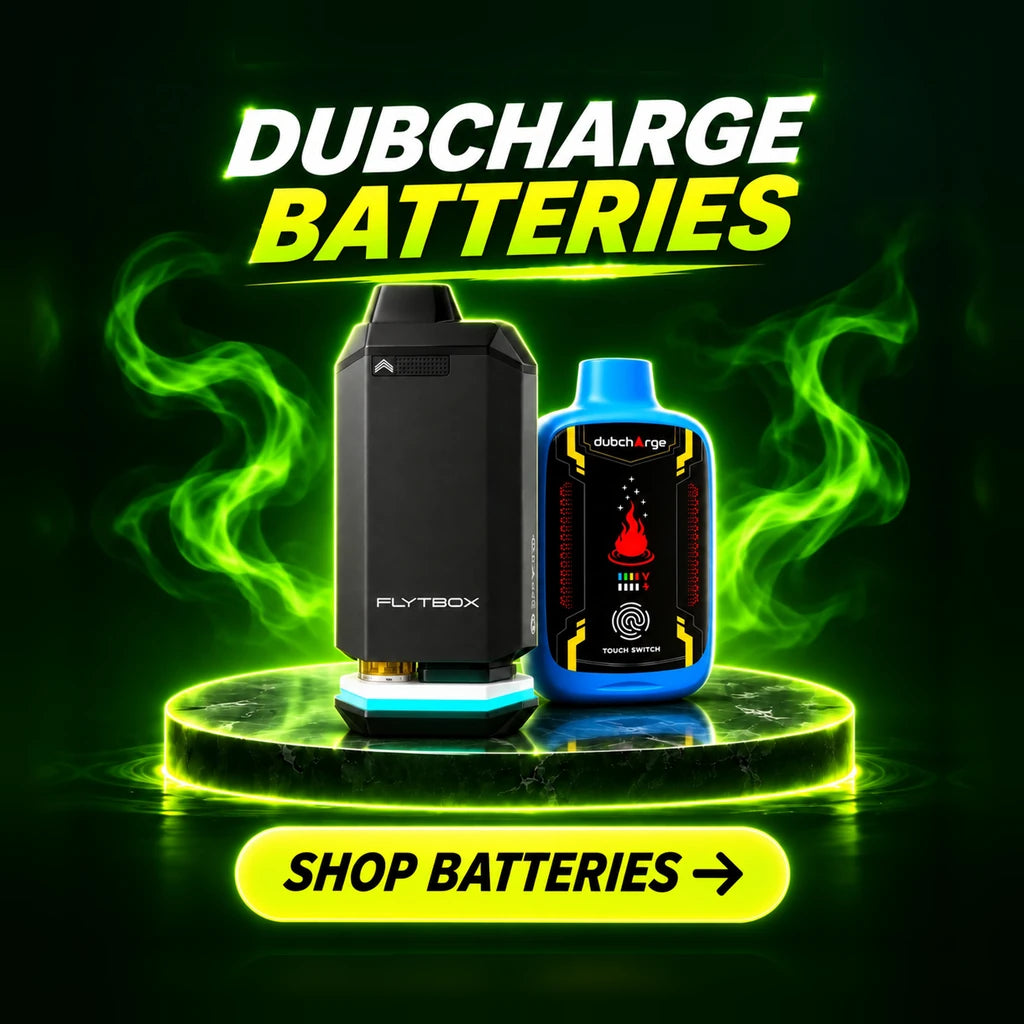
The market for these devices continues to evolve. Disposables have become popular due to their ease of use and low initial cost, but regulatory changes in some areas have restricted their availability or imposed limits on e-liquid capacity and nicotine strength. Rechargeable devices remain a staple for users who prefer a more customisable experience and who are willing to invest a little more time in maintenance. Both types are sold in vape shops, online stores, and increasingly in convenience stores, though age restrictions apply in most jurisdictions.
