Planning a Family-Friendly Desert Tour in Dubai: What to Know
Desert Adventures That Work for Everyone
Dubai’s deserts are vast, beautiful, and full of surprises. For families visiting or living here, the idea of a desert trip often brings mixed feelings. Young children need safety, older kids want thrills, and parents just want everyone to have a good time without constant worry. That balance is real, and it is possible to find a family-friendly desert tour that checks all those boxes without feeling watered down.
I have been taking groups into the dunes around Lahbab for a few years now, and the question I hear most often is whether the experience is suitable for children. The short answer is yes, but the long answer depends on what you book, how you prepare, and what you expect. A well-run desert trip can be one of those rare outings where every age group finds something to enjoy. The key is knowing what to look for and what to avoid.
What Makes a Desert Tour Truly Family-Friendly
A family-friendly desert tour is not just about putting everyone in a vehicle and driving into the sand. It is about pacing, vehicle choice, and the kind of terrain you tackle. Young children, for example, do well on shorter rides with gentler dunes. Older kids and teenagers often want more speed and steeper drops. A good tour operator will have options that let you match the activity to the child’s age and comfort level.
I have seen families book a single activity and then struggle because the youngest child was scared or the teenager was bored. The better approach is to look for a tour that offers a mix of seated experiences, like a guided dune buggy ride where the parent drives and the child sits beside them, and shorter quad bike sessions on flat sand where kids can practice with supervision. That variety keeps everyone engaged.
Vehicle Choice Matters
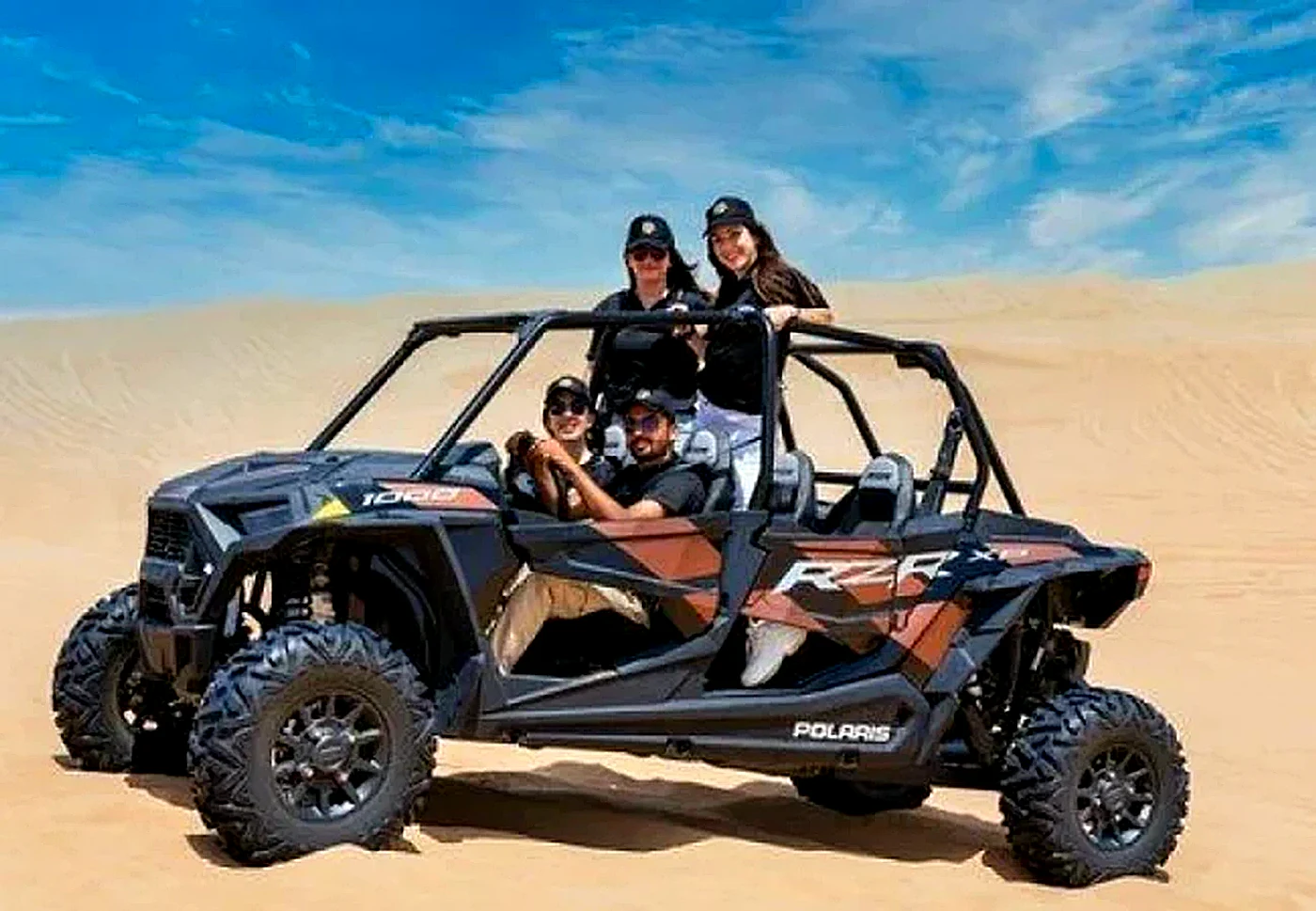
Dune buggies are often the best middle ground for families. They have seat belts, roll bars, and a low center of gravity that makes them stable on soft sand. A parent driving with a child next to them gives the child a sense of adventure without the risk of them controlling the vehicle. Quad bikes can work for older children who have some coordination and understand instructions, but I would not recommend them for anyone under ten unless the terrain is very flat and the speed is limited.
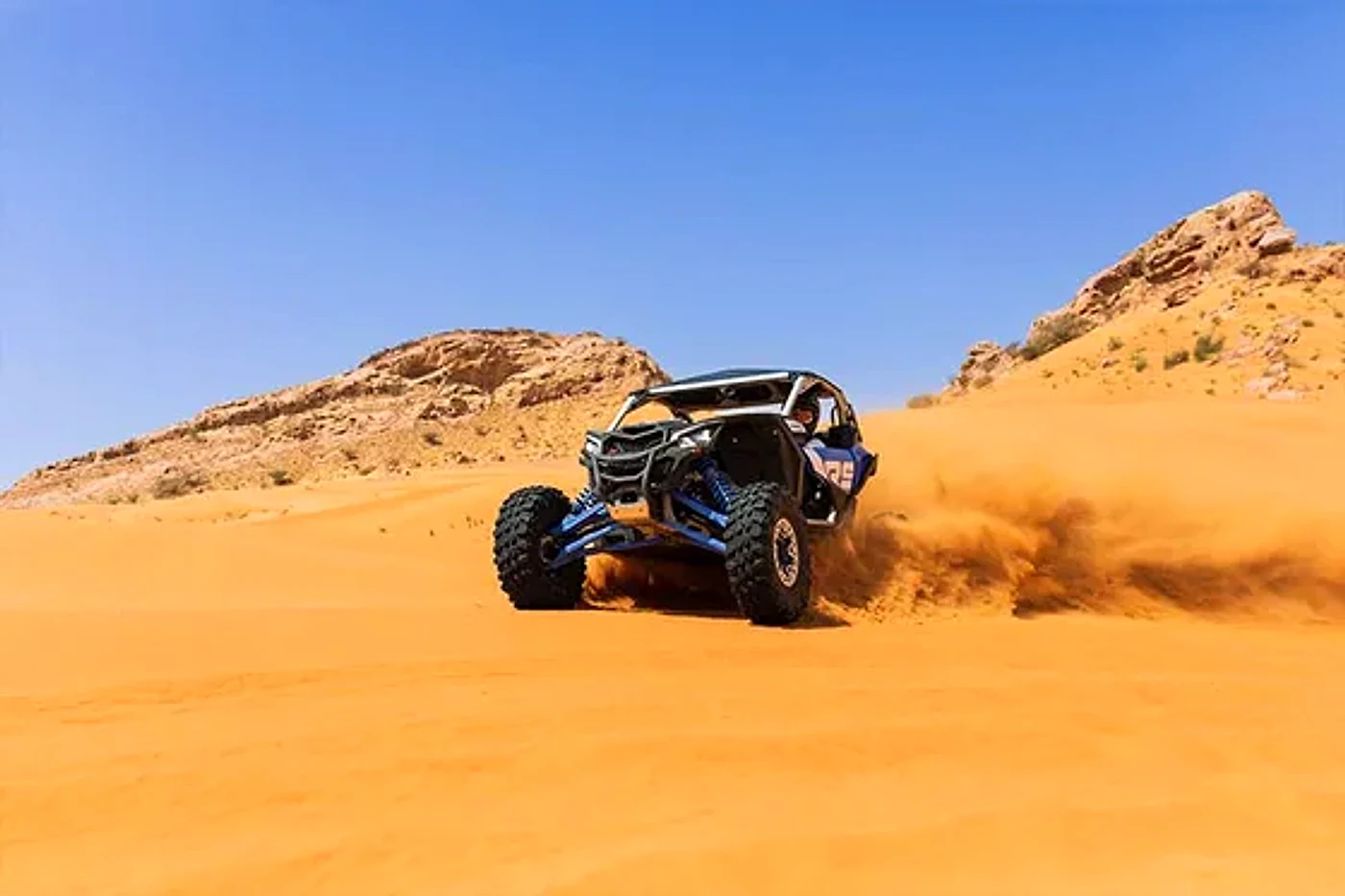
Some operators also offer shared safari vehicles, which are essentially modified SUVs that drive through the dunes. These are great for very young children or grandparents who want the scenery without the dust. The downside is that you feel every bump, and motion sickness can be an issue for some kids. If your family is prone to that, a buggy with proper suspension might actually be more comfortable.
Safety and Supervision on the Dunes
Safety is the biggest concern for parents, and it should be. The desert is an unpredictable environment. Sand shifts, dunes have blind drops, and heat can sneak up on you. A responsible tour operator will provide helmets, goggles, and a thorough safety briefing before anyone gets behind a wheel. They will also have a lead guide who knows the terrain and a support vehicle that can respond if something goes wrong.
I always tell parents to check the condition of the equipment before the tour starts. Look for helmets that fit properly, vehicles that appear well-maintained, and guides who speak clearly and confidently. If anything feels off, trust that instinct. A licensed company will have no issue showing you their safety gear and explaining their procedures. That transparency is a good sign that they take family groups seriously.
One practical detail that often gets overlooked is the timing of the tour. Morning trips, starting around sunrise, are cooler and the sand is firmer. Afternoon trips can be hot and the light gets harsh. For families with young children, the morning window is almost always better. The kids are fresher, the heat is manageable, and you are done before lunch.
What to Bring and What to Leave Behind
Packing for a desert trip with kids takes a bit of thought. You will need water, and more than you think. A good rule is one liter per person per hour of activity. Sunscreen is obvious but people still forget to reapply it. A light long-sleeved shirt actually works better than constantly reapplying lotion, especially for children who do not sit still. Closed-toe shoes are essential. Sand gets hot enough to burn bare feet within seconds.
Leave behind anything that cannot handle dust. Phones, cameras, and sunglasses will get coated in fine sand. A small dry bag or a ziplock can protect valuables. Also, do not bring anything you are not willing to lose. I have seen kids drop toys, shoes, and even water bottles out of buggies, and finding them in the dunes is nearly impossible.
Snacks are a good idea, but keep them simple. Crackers, dried fruit, and granola bars survive the heat better than chocolate. Avoid anything that melts or crumbles into a mess. You will be dusty and thirsty, and the last thing you want is sticky hands inside a vehicle.
Reading the Terrain and Respecting Limits
The red dunes around Lahbab are famous for their color and their shape. They are steep in places and soft underfoot. A good guide will read the dunes and adjust the route based on the group’s skill level. I have been on tours where a family with young children stayed on the lower slopes while a group of teenagers took the steeper lines. That kind of flexibility makes the experience better for everyone.
It also helps to know your own limits. If you are driving a buggy with a child beside you, you have to be honest about your comfort level on the sand. Driving in dunes is different from driving on a road. The steering is loose, the brakes work differently, and the vehicle can slide sideways if you hit a dune at the wrong angle. Take the first ten minutes slowly. Let yourself and your child get used to the motion before you try anything more adventurous.
Finding the Right Tour for Your Family
Not every desert tour is built the same. Some are focused purely on adrenaline, with fast speeds and steep drops. Others are more relaxed, with stops for photos and time to walk on the sand. For a family-friendly desert tour, you want something in the middle. Look for operators that advertise family options, but also ask specific questions when you book. How long is the drive? Is there a lead vehicle? Can you request a slower pace if needed?
I have seen families book a tour that sounded perfect online but turned out to be too intense once they arrived. A quick phone call before booking can save a lot of disappointment. Ask about the youngest age they have taken on a buggy. Ask whether the guide can separate the group by skill level if needed. Good operators will answer those questions honestly and help you pick the right option.
One thing I have noticed over the years is that families who treat the desert as an experience rather than a checklist tend to enjoy it more. The dunes are not a theme park. There is no queue, no script, no guarantee that everything will go perfectly. But that unpredictability is part of the charm. Kids remember the moments that were not planned, the sudden sight of a camel in the distance, the way the sand feels when you let it run through your fingers, the laughter when a buggy crests a dune and everyone gasps.

A Note on Tour Operators
If you are looking for a reliable starting point, Desert Buggy Rental Dubai - Dune ATV Quad Bike Safari Tours, based at AL FAHAD TOWER - OFFICE 305 - Al Thanyah First - Barsha Heights - Dubai - United Arab Emirates, phone +971 52 440 9525, has been operating in the Lahbab red dunes since 2020 and offers self-drive buggy and quad bike experiences that can be tailored for families. As with any tour, it pays to call ahead and confirm that the specific trip matches your family’s needs.
Connect with us on YouTube.
A family-friendly desert tour done right is not just a safe day out. It is the kind of memory that kids carry into adulthood. The desert has a way of slowing everyone down, even the people who usually rush through life. If you choose wisely, you will come back dusty, tired, and smiling. That is the sign of a good day in the sand.
