What Should I Tell My Clinician So “I Take CBD” Actually Helps Them?
If you’ve added CBD products like Joy Organics’ capsules or tinctures into your daily routine, that’s an important conversation starter with your clinician. Saying simply “I take CBD” doesn’t provide enough context to help your healthcare provider give you the safest, most effective care. Because CBD products vary widely in quality, composition, and dosing—and because CBD can interact with medications—it’s crucial to share specific, accurate details with your clinician.
Understanding CBD Basics Versus THC and Intoxication
First, some quick clarity on what CBD is and isn’t. Cannabidiol (CBD) is one of many cannabinoids found in cannabis plants. Unlike tetrahydrocannabinol (THC), CBD does not produce the intoxicating “high” that people associate with marijuana.
- CBD: Non-intoxicating, often used for symptom management like anxiety, pain, or sleep.
- THC: Psychoactive cannabinoid, responsible for intoxication and some cognitive effects.
Because of this difference, many folks prefer CBD products labeled as “broad spectrum” or “CBD isolate” to avoid THC entirely. "Full spectrum" products do include trace amounts of THC (upto 0.3%), which might matter to your clinician, especially if you’re subjected to drug testing.
What Does “Broad Spectrum” vs. “Full Spectrum” Mean?
Term Description THC Content Typical Uses Full Spectrum Contains CBD plus all other cannabinoids, including trace THC Up to 0.3% THC (legal limit under 2018 Farm Bill) People wanting “whole plant” effects, but should be cautious with drug testing Broad Spectrum CBD plus other cannabinoids and compounds, but THC is removed Typically 0% THC Users avoiding THC due to job or legal concerns
FDA Approval vs. Over-The-Counter CBD Products: The Big Difference
The FDA has approved one CBD-based medication, Epidiolex, specifically for rare seizure disorders like Lennox-Gastaut and Dravet syndromes. This approval means that Epidiolex went through rigorous clinical testing for safety, dosage, and efficacy in these conditions.
However, the majority of CBD products you see over the counter—ranging from Joy Organics’ 25 mg capsules taken each evening to tinctures with variable doses—aren’t FDA approved. These dietary supplements are not strictly regulated, and their quality, potency, and purity can vary widely. What you buy at a wellness store or online might not provide the same effect or safety profile as a pharmaceutical-grade CBD medication.
What This Means for Your Clinician
- Your clinician needs to know the type and dose of CBD product you use to assess possible interactions or side effects.
- They can’t assume OTC CBD products have proven safety or standardized dosing.
- Any claims like “THC-free” should be backed by batch-specific documentation (a Certificate of Analysis, discussed next).
Legal Landscape: 2018 Farm Bill and the 0.3% THC Threshold
The 2018 Farm Bill legalized hemp-derived products containing less than 0.3% THC at the federal level. This shift flooded the market with all sorts of CBD products from capsules to tinctures, but also created a patchwork of state-level rules and varying product quality standards. Some products may exceed the legal THC limit or not contain the advertised amount of CBD.
That’s why the Certificate of Analysis (COA) and batch-specific laboratory testing documentation are crucial in determining what you’re actually ingesting.
Why Certificates of Analysis (COAs) Matter
A Certificate of Analysis is a lab report produced by a third-party testing facility for a specific batch of CBD product. It details the exact cannabinoid profile, potency, and absence or presence of contaminants such as heavy metals, pesticides, and residual solvents.
What a Good COA Tells You and Your Clinician
- Amount of CBD and other cannabinoids per serving (not just per bottle)
- THC concentration verifying if it stays under 0.3% legal limit
- Verification that no harmful contaminants exist
For example, Joy Organics provides batch-specific COAs accessible on https://smoothdecorator.com/what-does-hemp-derived-cbd-mean-in-plain-english/ their website or via QR codes on product packaging. This transparency can build clinician confidence that dosages and purity claims are accurate.
What to Tell Your Clinician about Your CBD Usage
When you next see your healthcare provider, here’s what they really need to know:
- Exact product name, brand, and form: Is it a Joy Organics broad spectrum capsule or a tincture you’re using? Capsules often have precise dosing (e.g., 25 mg CBD each evening), tinctures might require you to measure drops, which can lead to variability.
- CBD dose per serving and how often you take it: This helps gauge total daily intake and possible cumulative effects.
- Whether you know the product’s COA and THC content: Saying “THC-free” isn’t enough without a batch-specific lab report to back it up, especially if you’re taking medications or undergo regular drug screening.
- Any observed effects or side effects: Sleep improvement? Drowsiness? Digestive issues? These clues help your provider tailor recommendations or check for interactions.
- Other supplements or medications you use: CBD can interact with enzymes that metabolize many drugs, so a full list can prevent adverse reactions.
Examples of Useful Information to Share
“I take one 25 mg broad spectrum capsule from Joy Organics each evening before bed. I chose broad spectrum because I want to avoid THC, and the company provides a batch-specific COA showing less than 0.01% THC and no contaminants. I feel it helps me relax without feeling sleepy the next day. I’m also on prescription blood thinners and want to make sure there are no interactions.”
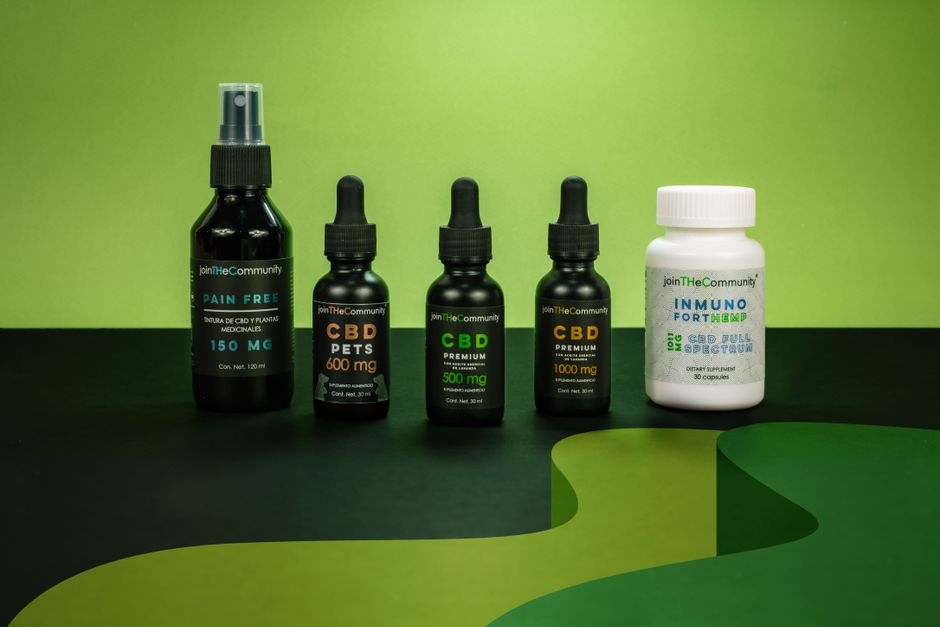
“I use a full spectrum tincture, three drops in the morning and three at night. The product https://highstylife.com/what-should-i-tell-my-clinician-so-i-take-cbd-actually-helps-them/ label says THC-free, but I have the lab report from their website that shows about https://bizzmarkblog.com/how-do-i-find-the-coa-for-my-cbd-product-and-read-it/ 0.25% THC per serving, which is legal. The tincture makes me feel less anxious, but I haven’t told my doctor yet.”
The Capsule vs. Tincture Debate: What Should You Tell Your Clinician?
Form Pros Cons Notes to Tell Clinician Capsule Standardized dose (e.g., 25 mg per capsule), easy to take, discreet Slower onset, dosage is fixed per capsule Exact mg per capsule, number taken per day Tincture Flexible dosing (drop by drop), faster absorption under tongue Dosing can vary by dropper size, taste may be bitter Approximate mg per drop, drops per dose, total daily intake
Final Takeaway: Be Detailed, Be Transparent, Be Prepared
Your clinician’s ability to help you optimize CBD use—whether to reduce anxiety, improve sleep, or manage pain—hinges on good information. “I take CBD” is a starting point, but going further with specifics about product type, dose, spectrum, and lab-verified purity lets them factor CBD safely into your overall health plan.
Before your next appointment, gather your products, find or download their batch-specific Certificates of Analysis, and write down your dosing regimen and effects. Don’t forget to mention other supplements and prescription meds you’re taking. A little preparation goes a long way toward turning your CBD habit into an informed partnership with your clinician.
References and Resources
- Joy Organics – Official Website
- FDA Regulation of Cannabis and CBD Products
- Summary of the 2018 Farm Bill
- CBD Drug Interactions Study
